

- No products in the cart.
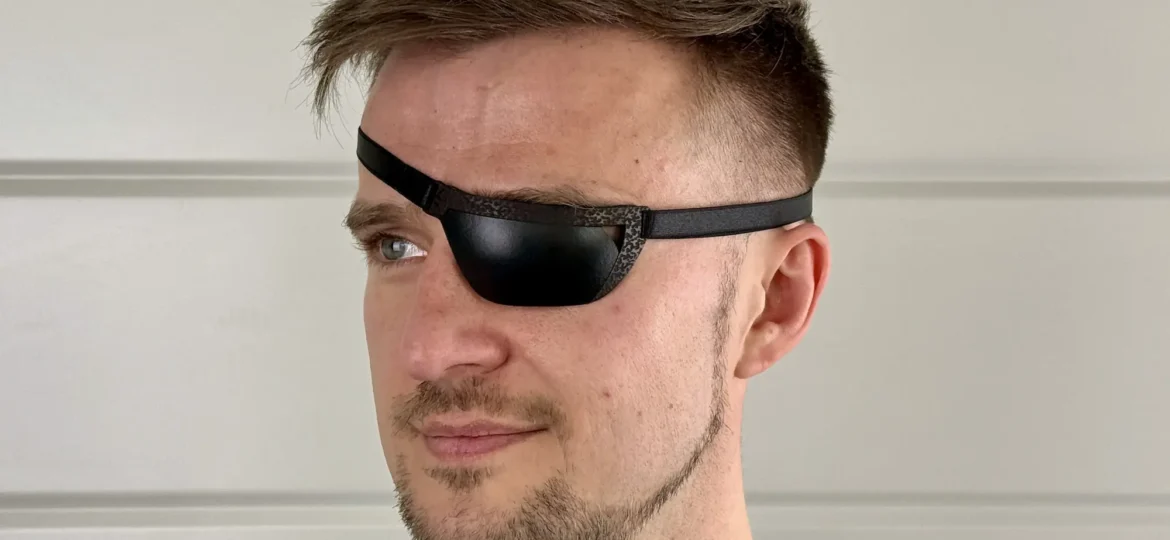
After an eye operation, the covering you wear has one main job, to protect the eye while it heals. Choosing the right eye patch after eye surgery is less about looks and more about avoiding pressure, rubbing, and anything that could disturb the healing surface. Here is what actually matters, and where a patch fits alongside the shield your surgeon gives you.
This article is general information, not medical advice. Always follow the specific instructions from your own surgeon or eye clinic.
First, follow your surgeon’s instructions
Right after surgery you are usually sent home with a clear plastic shield, sometimes over a pad. Clinics advise keeping it on as directed, often overnight, and wearing it at night for about a week so you cannot rub the eye in your sleep. The incision seals within roughly a day, but full healing under the surface takes weeks, which is why protection continues after the eye already feels fine. Your clinic’s schedule always comes first. A patch is something you use around those instructions, not instead of them.
Protection without pressure
The single most important feature is that the covering does not press on the eye itself. A patch that rests weight on a healing eye is exactly what you want to avoid. Look for a design that arches or domes over the socket and takes its contact on the bone around the eye, not on the lid or the globe. This is the same reason surgeons send you home with a vented shield rather than a tight pad alone.
Breathable and easy to keep clean
Healing eyes water and weep a little, so airflow and hygiene matter. A covering with some ventilation lets moisture escape instead of trapping it against the skin. Whatever you use should wipe clean easily, and anything reusable should be washed daily with mild soap and water and then dried, the same way clinics tell you to care for a shield.
Comfort for the quiet weeks after
Once the first days pass, many people keep using a patch for naps, for reassurance, or because one eye is still sensitive to light. For that stage a light patch that does not touch the eye is far nicer than a stiff clinical shield. Our Hole eye patch was designed around this need. It domes over the eye so nothing rests on it, and it is vented for airflow during long wear.
What to check before you wear one
- It never presses on the eye or the lid
- It has some ventilation for a healing, watering eye
- It cleans easily and stays hygienic
- The strap holds it in place without being tight
- Your surgeon is happy for you to use it at this stage
Used sensibly and with your clinic’s blessing, a comfortable patch makes the recovery weeks easier. Just remember that the protective shield and the drops schedule from your surgeon always take priority. For recovery guidance, both the American Academy of Ophthalmology and the NHS publish clear, trustworthy advice.
A rough timeline for the first weeks
Every clinic sets its own schedule, so treat this as background rather than instruction. In the first day, the shield stays on as directed while the incision seals. Over the first week, many people wear the shield at night to avoid rubbing the eye in their sleep, and use prescribed drops on the clinic’s timetable. In the weeks that follow, the surface under the eye keeps healing even after it feels normal, which is why gentle protection and no rubbing still matter. Throughout, your surgeon’s instructions override anything you read online, including this guide.
Once the earliest days pass, comfort becomes the main issue for the quiet weeks of recovery. A patch that does not press on the eye and lets it breathe is easier to live with than a stiff shield, which is the point of our guide to patches that stay off the eye and our notes on ventilated patches for long wear.
Frequently asked questions
How long do I wear an eye patch after eye surgery?
It depends on the procedure and your surgeon, but many people wear a protective shield at night for about a week and use it as directed during the day at first. Always follow your own clinic’s schedule, as it is set for your specific operation.
Can I use a leather eye patch after surgery?
Only with your surgeon’s agreement, and usually not in place of the protective shield they give you. Once cleared to use a patch for comfort, choose one that does not press on the eye and cleans easily. This is general information, not medical advice.
Why must an eye patch not press on the eye after surgery?
A healing eye is easily disturbed, and pressure on the lid or globe can be uncomfortable and unhelpful while it recovers. Surgeons use a domed shield so nothing rests on the surface, which is why a good post surgery patch should arch over the eye.
How do I keep a post surgery eye patch clean?
Wipe or wash reusable protection daily with mild soap and water and dry it well, as clinics advise for shields. Keep your hands clean before touching the area, and follow any specific hygiene steps your surgeon gives you.
When can I stop protecting my eye after surgery?
Only when your surgeon says so. The eye can feel normal well before the surface has fully healed underneath, so the protection schedule continues past the point of comfort. Do not stop early based on how the eye feels.
Related guides
